

Losing power to a lab freezer can erase weeks of work in minutes. That nightmare is real for anyone who stores samples at –80 °C. An affordable lab freezer backup generator isn’t a luxury—it’s a lifeline.
Imagine the hum of a small generator kicking in the moment the lights flicker, keeping your freezer at a steady temperature while the building powers down. You don’t need a massive industrial unit; a compact, budget‑friendly model can cover most academic and biotech labs.
First, check your freezer’s power draw. Most ultra‑low units use 1–2 kW, so choose a generator rated a little higher. That gives you enough runtime to bridge a typical outage without blowing your budget.
Fuel choice matters too. Propane or natural‑gas generators run cheaper than diesel and store well in lab safety cabinets. Look for models with automatic shut‑off when mains power returns—so you won’t have to monitor them all night.
Maintenance is simple: change the oil every few hundred hours, run the generator under load once a month, and test the transfer switch before you actually need it. Skipping these steps turns a cheap backup into a costly failure.
Many labs assume a reliable backup means spending thousands, but a well‑chosen unit can sit under $2,000 and still meet certification standards. Shop Genomics lists several options that balance price and performance, making it easier to fit a generator into a tight grant budget.
With the right generator in place, you can focus on your research instead of worrying about power cuts.
Step 1: Assess Your Lab Freezer Power Needs
First thing you need to know is how much power your freezer pulls. Most ultra‑low units run around 1 to 2 kW, but you should check the nameplate or manual to be sure. Write that number down; it’s the baseline for everything else.
Next, figure out how long you might be without mains power. A typical outage on campus lasts 2‑4 hours, so you want a generator that can hold the load for at least that long. Multiply the kilowatt rating by the hours you expect and you get the total energy needed. If your freezer draws 1.5 kW and you plan for 3 hours, you’re looking at about 4.5 kWh of capacity.
Fuel choice matters too. Propane and natural‑gas are cheaper than diesel and store well in a lab safety cabinet. Choose a model that can run on the fuel you already have on site, and make sure it has an automatic shut‑off so you don’t have to watch it all night.
When you set a budget, treat the purchase like any other procurement. The procurement negotiation tactics guide can help you get a fair price without blowing your grant.
Once you know the power and runtime, match those specs to a generator that fits in your lab space. Many labs find that a compact 3‑kW unit covers most needs and still sits under $2,000. If you need help locating a local dealer, the Agency Alternative directory lists reputable sellers that work with research labs.
Don’t forget the paperwork. Keeping a maintenance log helps you stay compliant and avoids surprise failures. Printable log sheets are easy to create with services like Jiffy Print Online, which lets you print clean forms in minutes.
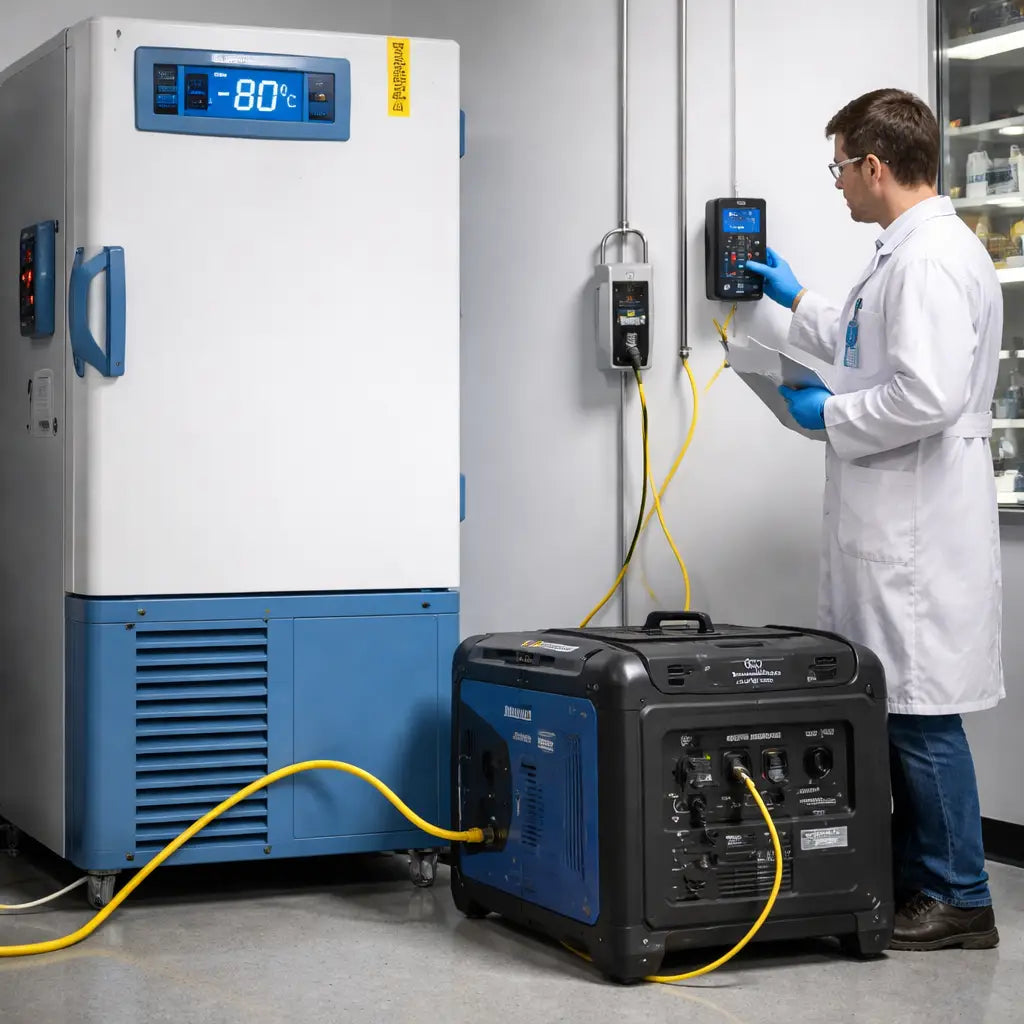
By pinning down the exact wattage, runtime, and fuel type, you turn a vague worry into a clear buying plan. That way you can focus on your experiments instead of wondering if your samples will survive the next power cut.
Step 2: Compare Generator Types and Costs
Now that you know how much power you need, it’s time to look at the kinds of generators that can deliver it. The market breaks down into three main buckets: inverter generators, conventional portable units, and three‑phase diesel rigs.
Inverter generators are lightweight and run cleanly on propane or gasoline. They’re great for labs that need quiet operation and low‑maintenance. A 2 kW inverter will usually sit between $800 and $1,500, and it can run 8‑10 hours on a standard 4‑gallon tank.
Conventional portable generators give you a bit more punch. They handle 3‑5 kW and are often built for rugged use. Expect a price tag of $1,500‑$2,500. They tend to be louder, but they still pair well with a simple transfer switch.
Three‑phase diesel generators are the heavy hitters. If your freezer runs on 240 V three‑phase, you’ll need a unit that can supply 5‑10 kW. Those models start around $3,000 and can climb to $5,000 or more, but they offer the longest run‑time and the best fuel efficiency for long outages.
What about fuel choice? Propane burns cleanly and stores well, while diesel gives you the best bang‑for‑buck on runtime. Your lab’s safety policy will often dictate which fuel you can keep on site.
Here’s a quick side‑by‑side look so you can spot the sweet spot for your budget.
| Generator Type | Typical Power (kW) | Approx Cost (USD) |
|---|---|---|
| Inverter | 1‑3 | $800‑$1,500 |
| Conventional Portable | 3‑5 | $1,500‑$2,500 |
| Three‑Phase Diesel | 5‑10 | $3,000‑$5,000 |
Shop Genomics lists a few budget‑friendly inverter models that fit under $1,200, making it easy to stay within grant limits. Compare the specs, match the fuel to your lab’s policy, and you’ll have a clear picture of what you can afford.
Once you pick a type, move on to checking transfer‑switch ratings and maintenance schedules. That way your backup won’t just exist on paper—it will actually keep your samples safe.
Step 3: Install and Test Your Backup Generator
Now you’ve chosen an affordable lab freezer backup generator, it’s time to get it wired up. The first thing to do is find a sturdy, well‑ventilated spot near the freezer. Keep it at least three feet away from walls and any flammable materials. A concrete pad or a heavy‑duty floor mat works best.
Next, mount the transfer switch. Most labs use a manual‑on‑automatic‑off (MOAO) switch that sits between the mains panel and the generator. Make sure the switch rating is at least 125 % of your peak freezer load – that way the switch won’t trip when the compressor kicks in.
Hook the generator’s output leads to the switch, then run a short power cord from the switch to the freezer’s plug. Tighten all connections, then label the panel and the generator with clear stickers so anyone in the lab knows what’s what. If you need custom lab labels, JiffyPrintOnline offers affordable printed stickers and safety tags that stick well to metal surfaces.
Before you fire it up, do a visual safety check: fuel line snug, oil level correct, exhaust vent clear. Start the generator in a well‑ventilated area and let it run idle for five minutes. Listen for odd noises and watch the fuel gauge.
Now run the load test. Turn on the freezer, then switch the transfer switch to “generator”. Let the freezer run for at least 30 minutes while you monitor the temperature read‑out. If the temperature stays within the recommended range (usually –80 °C ± 2 °C), you’ve passed the test.
Record the results in a simple log: date, runtime, temperature, any issues. Repeat the test every quarter. A quick monthly “run‑under‑load” for ten minutes helps keep the engine healthy and catches problems early.
Tip: When you’re buying the generator, Shop Genomics’ buying guide walks you through the key specs to check so you don’t over‑pay for features you won’t use.
Step 4: Maintain and Monitor for Reliability
Even the best affordable lab freezer backup generator can quit on you if you skip the upkeep. A quick, regular routine keeps the engine humming and your samples safe.
Weekly visual sweep
Walk around the generator. Look for oil leaks, loose cables, or cracked hoses. Sniff the fuel tank – any sour smell means it may need fresh fuel. Tighten any loose bolts before they vibrate loose.
Monthly run‑under‑load
Start the unit, let it idle a minute, then hook the freezer or a dummy load. Run for ten minutes at 50 % load. Watch the hour‑meter and note any odd noises. If the temperature stays steady, write the date, run‑time, and any oddities in your log.
Does this feel like a lot? It’s really just a coffee‑break task that catches wear before it becomes a failure.
Oil and filter change
Change the oil every 150‑200 hours or every three months, whichever comes first. Use the oil grade the maker recommends – usually a 10W‑30 for small propane units. Swap the filter at the same time; a clean filter means the engine stays cool.
Fuel and battery care
Keep the fuel tank at least half full in winter; fuel can gel in cold labs. Add a stabilizer if you store fuel longer than three months. If the generator has a battery starter, test the voltage monthly and charge or replace as needed.
So, what should you do next? Set a recurring calendar reminder for each of these tasks. A simple spreadsheet or a free lab‑maintenance app works fine.
Remote monitoring (optional)
Some models let you attach a low‑cost sensor that texts you if the engine stops or the temperature drifts. It’s a cheap insurance policy that fits the budget‑friendly vibe of an affordable lab freezer backup generator.
Finally, review your log every quarter. Spot trends – like a slow rise in run‑time or a repeat spark‑plug issue – and fix them before they cause downtime. Keeping a habit of these tiny checks turns a backup unit into a reliable safety net for your research.
Conclusion
You’ve seen how a cheap backup generator can keep a freezer humming when the grid drops. Picking the right size, doing a quick monthly run‑under‑load, and swapping oil on schedule are the three habits that turn a low‑cost unit into a reliable safety net. Those steps don’t need a PhD, just a simple checklist and a reminder in your lab calendar.
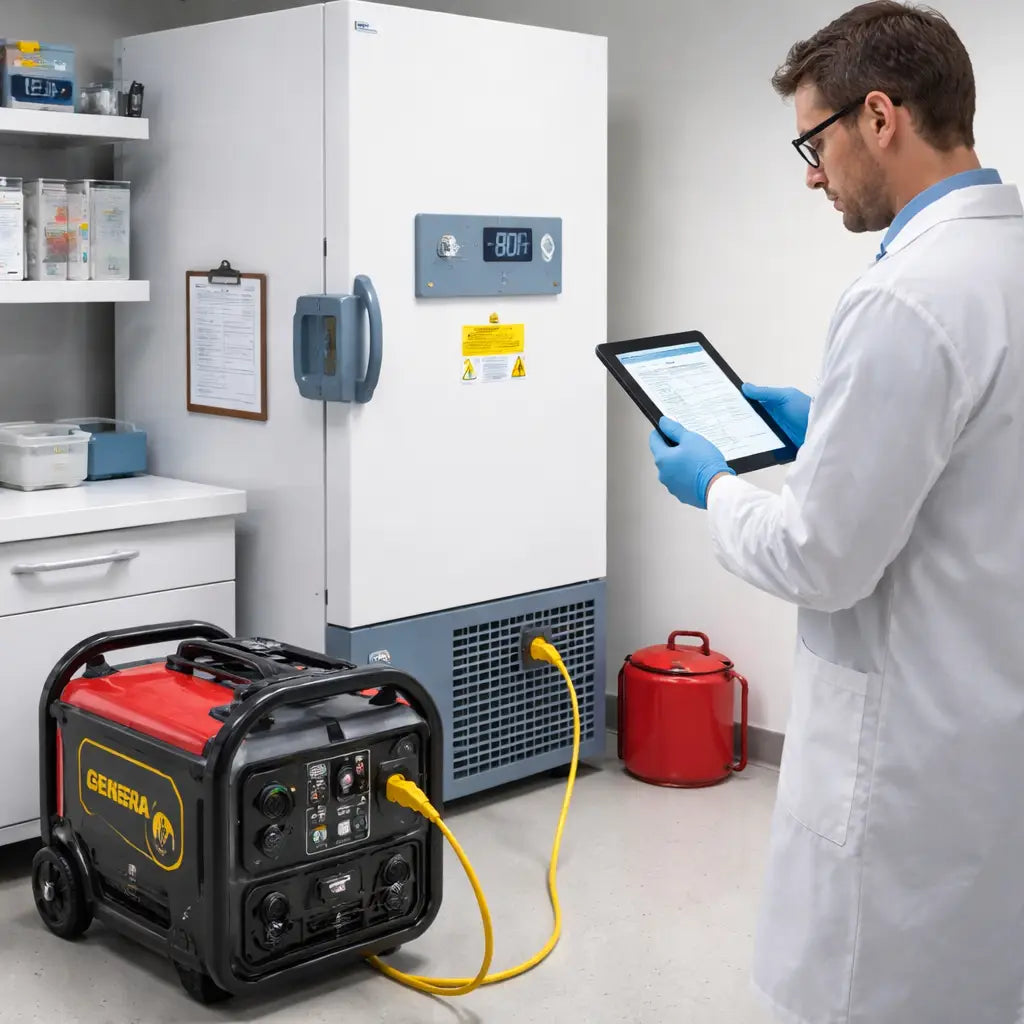
So, what’s next? Grab a spreadsheet, log your run‑time, and set a calendar alert for oil, filter, and fuel checks. A quick test run before the next outage will give you peace of mind and protect weeks of precious samples. When you need a budget‑friendly generator, Shop Genomics lists options that fit under common grant limits, making the hunt easier.
Remember, a small habit today stops a big loss tomorrow. Keep the log, run the test, and let your freezer stay cold even no matter what.
FAQ
How do I pick the right size for an affordable lab freezer backup generator?
First, look at your freezer’s running power – most ultra‑low units pull 1–2 kW. Then add the start‑up surge, which can be about 1.5 times higher for a few seconds. Choose a generator that can handle roughly 20% more than that total. That extra headroom keeps the unit from tripping when the compressor kicks in.
What regular maintenance keeps the generator reliable?
Do a quick visual sweep each week – check for oil leaks, loose wires, or cracked hoses. Run a ten‑minute under‑load test once a month. Change oil and the filter every 150–200 hours or about every three months. Keep the fuel tank at least half full and watch for any strange smells.
How often should I run a full load test?
A short test each month is enough to catch early wear. Every three months, run the freezer at full load for at least 30 minutes and watch the temperature stay steady. Write the date, run‑time, and any odd noises in a simple log. That habit shows you when the engine needs attention.
Can I use propane instead of diesel for a budget‑friendly unit?
Propane burns cleanly, stores well in lab cabinets, and is often cheaper than diesel. It also produces less soot, so you’ll spend less time cleaning. Diesel gives longer run‑time on a tank, but it needs more ventilation and can be pricier. For most academic labs, propane is the easier, low‑cost choice.
How do I know if my transfer switch is rated correctly?
Check the label on the switch. It should be rated for at least 125% of the peak load you recorded for your freezer. Make sure the voltage matches – 120 V for most units, 240 V if you have a larger model. If you’re unsure, ask your facilities team to double‑check the rating.
Where can I find affordable lab freezer backup generator options that fit grant budgets?
Shop Genomics lists several budget‑friendly inverter generators that sit under common grant limits. Use the site’s filter to set a max price, then compare power ratings and fuel types. The product pages include spec sheets so you can match the generator to your freezer’s needs without overpaying.