
Over 60 percent of American laboratories cite calibration as the number one factor behind consistent scientific results. Reliable calibration does more than protect against equipment errors. It forms the backbone of trustworthy experiments, regulatory compliance, and industry reputation. This guide helps you understand how careful preparation, calibrated tools, and documented procedures can ensure your American lab maintains peak measurement accuracy every step of the way.
Table of Contents
- Step 1: Prepare Calibration Tools And Environment
- Step 2: Identify Equipment Calibration Requirements
- Step 3: Perform Calibration Procedures Systematically
- Step 4: Record Calibration Data And Observations
- Step 5: Verify And Validate Equipment Accuracy
Quick Summary
| Key Insight | Explanation |
|---|---|
| 1. Maintain a Controlled Environment | Create a stable workspace with consistent temperature and minimal vibrations for accurate calibration. |
| 2. Document Calibration Procedures | Thoroughly record each calibration step and environmental conditions to ensure transparency and traceability. |
| 3. Use Certified Calibration Tools | Ensure all calibration weights and reference standards are certified and in good condition for reliable measurements. |
| 4. Implement Systematic Calibration | Follow a clear sequence during calibration to establish measurement accuracy and reliability for each instrument. |
| 5. Regularly Verify Equipment Accuracy | Conduct routine checks and validations, including multiple measurement points, to maintain consistent precision over time. |
Step 1: Prepare Calibration Tools and Environment
Preparing the right tools and setting up an appropriate laboratory environment are foundational steps for accurate equipment calibration. Your goal in this phase is to create a stable, controlled setting that minimizes external variables and ensures precise measurement conditions.
Begin by selecting a workspace that maintains consistent temperature and minimal vibration. Laboratories often experience subtle environmental fluctuations that can impact sensitive measurement equipment. Aim for an area away from direct sunlight, heating or cooling vents, and high traffic zones. Ideally, your calibration space should have stable ambient temperature around 20°C (68°F) with humidity levels between 40 to 60 percent. This controlled environment prevents thermal expansion or contraction that could skew measurement accuracy.
Carefully gather your calibration tools before starting the process. Essential equipment typically includes calibration weight sets with certified traceability, digital thermometers, reference standards, cleaning materials like lint-free cloths, and precision measuring instruments. Verify that all calibration weights and reference standards have current and valid certification from recognized metrology institutes. Inspect each tool for physical damage, contamination, or signs of wear that could compromise measurement precision. Clean your tools with appropriate solvents or wipes designed for laboratory use, handling them with lint-free gloves to prevent introducing oils or particulates that might affect measurements.
Pro Tip: Always document the environmental conditions and tool preparation steps in your calibration log. This record provides transparency and helps identify potential sources of measurement uncertainty.
With your environment prepared and tools ready, you are now set to begin the actual calibration process. The next step will involve setting up specific measurement protocols for your particular lab equipment.
Step 2: Identify Equipment Calibration Requirements
Identifying specific calibration requirements is a critical step that ensures your laboratory equipment maintains precision and meets industry standards. This process involves understanding the unique measurement needs of each instrument and the regulatory frameworks that govern its performance.
Start by reviewing the manufacturer specifications for each piece of equipment. These documents typically outline recommended calibration intervals, acceptable accuracy limits, and specific performance benchmarks. Different instruments require varying levels of calibration complexity. For instance, analytical balances might need more frequent calibration compared to standard temperature meters. Pay close attention to regulatory guidelines such as Good Laboratory Practice (GLP) and Good Manufacturing Practice (GMP), which provide comprehensive standards for equipment maintenance. Equipment setup protocols can help you understand the fundamental requirements for different types of scientific instruments.
Consult your laboratory’s quality management system to determine the precise calibration frequency and documentation requirements. Each instrument should have a detailed calibration record that tracks its performance history, including previous calibration dates, measurement deviations, and maintenance activities. Focus on identifying key parameters like measurement uncertainty, traceability to national or international standards, and the specific environmental conditions that might impact your equipment’s accuracy. Some critical factors to consider include temperature sensitivity, mechanical stress, electrical interference, and potential drift in measurement precision over time.
Pro Tip: Create a centralized calibration tracking system that alerts you when specific instruments are due for recalibration to prevent unexpected measurement errors.
With a clear understanding of your equipment’s calibration requirements, you are now prepared to move forward with developing a comprehensive calibration strategy tailored to your laboratory’s unique needs.
Step 3: Perform Calibration Procedures Systematically
Systematic calibration is the cornerstone of maintaining laboratory equipment accuracy and reliability. This critical process requires a methodical approach that ensures each instrument performs within its specified measurement parameters.
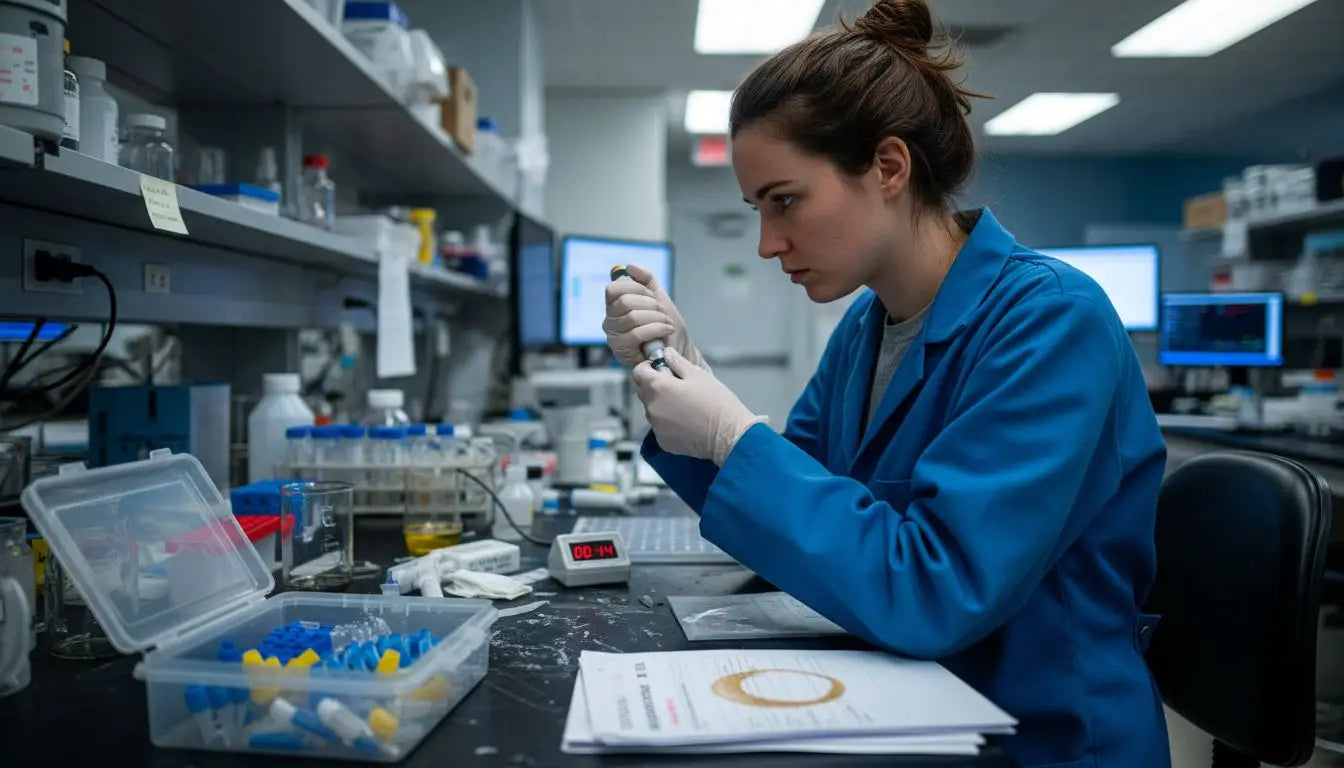
Begin by establishing a clear calibration sequence for your equipment. Start with zero point calibration, which involves setting the baseline measurement reference for each instrument. Use precision reference standards that are traceable to national metrology institutes to ensure the highest level of accuracy. For most scientific instruments, this means comparing your equipment’s measurements against certified standard weights, solutions, or electronic calibration references. When working with sensitive analytical devices, you might need multiple calibration points across the instrument’s entire measurement range. Precision measurement techniques recommend creating a comprehensive calibration profile that captures potential variations in instrument performance.
Carefully document each step of the calibration process. Record initial measurements, adjustment procedures, and final verification results in a standardized log. Pay close attention to environmental conditions during calibration such as temperature, humidity, and vibration levels that might influence measurement accuracy. Use statistical analysis to identify measurement uncertainty and establish acceptable tolerance limits for each instrument. Some laboratory instruments may require incremental calibration points to create a comprehensive performance curve that accounts for potential non linear responses.
Pro Tip: Always use calibration equipment with measurement uncertainties at least four times smaller than the device being calibrated to ensure reliable results.
With systematic calibration procedures completed, you are now prepared to validate and verify the performance of your laboratory instruments before integrating them into your research workflows.
Step 4: Record Calibration Data and Observations
Recording calibration data and observations is a critical process that ensures transparency, traceability, and long-term quality management in laboratory settings. This step transforms your calibration activities from mere technical procedures into a comprehensive scientific documentation system.
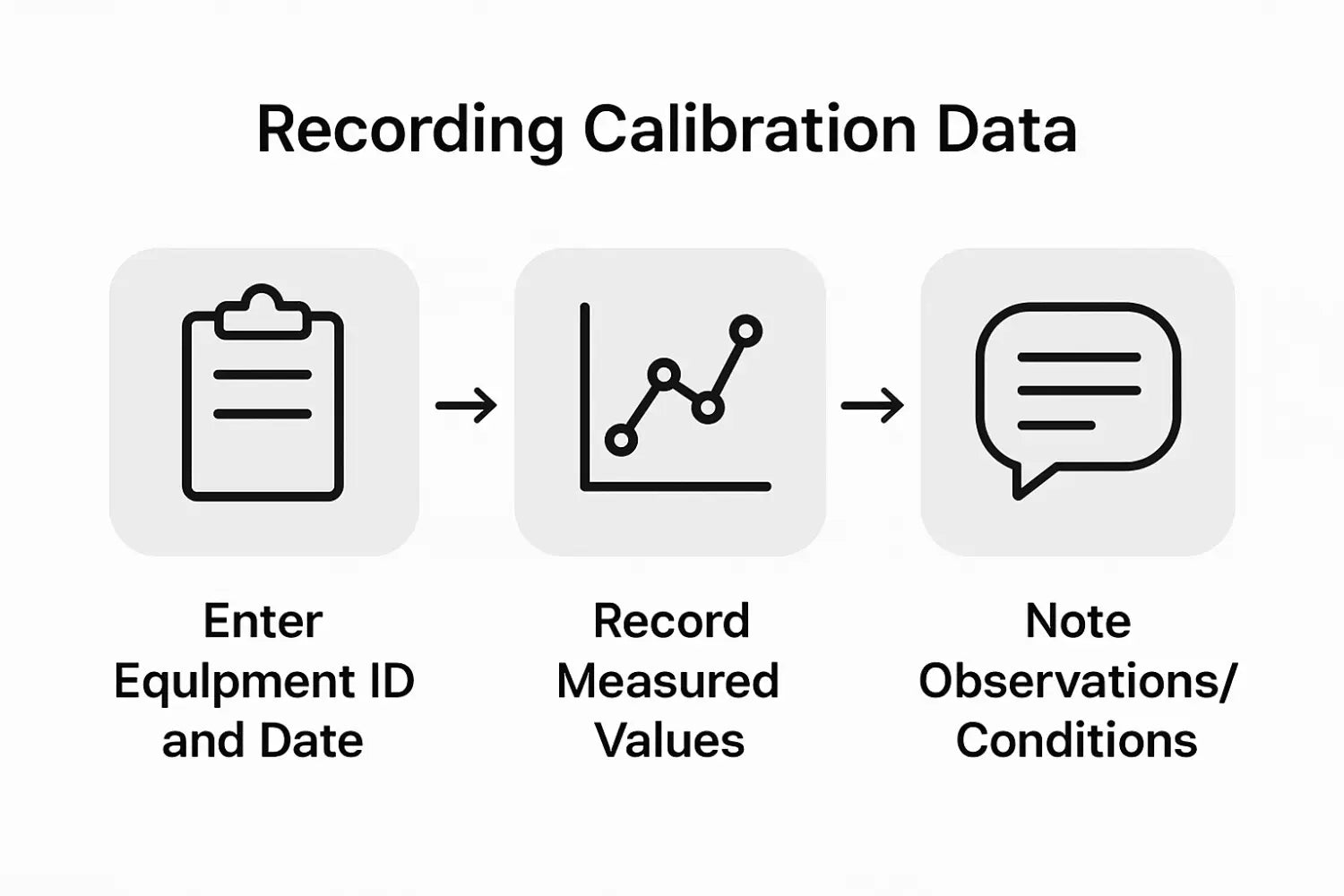
Create a standardized digital or physical template that captures comprehensive details about each calibration event. Your documentation should include key information such as the specific instrument identifier, calibration date, technician name, environmental conditions during calibration, reference standards used, initial measurement readings, adjusted values, and calculated measurement uncertainties. Laboratory quality standards recommend maintaining a systematic approach that allows for retrospective analysis and continuous improvement of measurement processes. Develop a consistent naming convention for your files or logbooks that enables quick retrieval and cross-referencing of calibration records.
Implement a robust data verification process that includes multiple layers of review. After recording initial observations, have a second qualified technician independently validate the calibration data. Pay special attention to documenting any deviations from expected performance, unexpected measurement variations, or environmental factors that might have influenced the results. Include detailed notes about adjustment procedures, statistical analysis of measurement uncertainties, and any corrective actions taken. Utilize digital platforms or specialized laboratory management software that can automatically timestamp entries, track version history, and provide secure backup mechanisms to protect your critical calibration documentation.
Pro Tip: Maintain calibration records for a minimum of five years or as specified by your industry regulatory requirements to support potential future audits or research validation.
With your calibration data thoroughly documented and verified, you are now prepared to analyze the results and determine the next steps for maintaining your laboratory equipment’s precision and reliability.
Step 5: Verify and Validate Equipment Accuracy
Verifying and validating equipment accuracy is the final critical step in ensuring your laboratory measurements meet the highest standards of precision and reliability. This process goes beyond simple calibration by comprehensively assessing the instrument’s performance across multiple parameters.
Begin by conducting a systematic accuracy verification protocol that includes multiple measurement points across the instrument’s entire operational range. Use certified reference standards with known traceability to national metrology institutes to compare your equipment’s measurements. Calculate measurement uncertainty by performing repeated measurements and analyzing statistical variations. Laboratory equipment selection plays a crucial role in establishing a baseline for accurate performance. Pay close attention to the instrument’s precision limits, reproducibility, and potential sources of systematic error.
Implement a comprehensive validation strategy that includes both internal performance checks and external verification methods. Conduct comparative measurements using multiple instruments, cross-reference results with established reference methods, and document any deviations from expected performance. Statistical techniques like linear regression analysis, standard deviation calculations, and uncertainty budgeting will help you quantitatively assess the instrument’s accuracy. Consider establishing control charts that track the instrument’s performance over time, allowing you to identify potential drift or degradation in measurement capabilities.
Pro Tip: Develop a routine verification schedule that includes both periodic calibration and more comprehensive annual validation to maintain consistent equipment performance.
With your equipment thoroughly verified and validated, you have established a robust foundation for generating reliable scientific measurements that meet the most stringent research and regulatory standards.
Achieve Precise Laboratory Calibration with Trusted Equipment
Accurate calibration is essential to maintaining the reliability of your laboratory instruments. The challenges of controlling environmental conditions, tracking calibration data, and verifying equipment accuracy demand precision tools you can depend on. At Shop Genomics, we understand that maintaining measurement uncertainty within strict limits and using certified reference standards is critical to your scientific success. That is why we offer high-quality calibration weights and laboratory equipment designed to support your calibration procedures every step of the way.

Take control of your lab’s accuracy today by exploring our selection at Shop Genomics. Empower your calibration workflow with dependable products that help minimize errors and ensure compliance with Good Laboratory Practice standards. Don’t let uncertain equipment slow down your breakthroughs. Visit Shop Genomics now and equip your lab for unmatched precision and confidence.
Frequently Asked Questions
What tools do I need for calibrating lab equipment?
To calibrate lab equipment accurately, you will need calibration weight sets, digital thermometers, reference standards, and cleaning materials. Gather all necessary tools before starting the calibration process to ensure a smooth workflow and minimize errors.
What environmental conditions should I maintain while calibrating lab equipment?
Aim to maintain a stable temperature around 20°C (68°F) and humidity levels between 40 to 60 percent during calibration. Ensuring consistent environmental conditions will help minimize measurement errors and improve accuracy.
How often should I calibrate my lab equipment?
Calibration frequency varies based on equipment type and usage; however, it’s essential to follow manufacturer specifications and regulatory guidelines. Create a centralized tracking system to alert you when instruments are due for recalibration, ideally within 30 to 60 days of the intended schedule.
What should I document during the calibration process?
Document key details such as the instrument identifier, calibration date, technician name, environmental conditions, and measurement readings. Maintaining thorough records enhances traceability and supports quality management in your laboratory.
How do I verify the accuracy of my calibrated lab equipment?
Verify accuracy by conducting systematic checks using certified reference standards across the instrument’s operational range. Calculate measurement uncertainty and analyze statistical variations to assess performance reliability effectively.
What steps should I take if I find deviations during calibration?
If you discover deviations during calibration, document the discrepancies and perform necessary adjustments. Retest the equipment to ensure it meets performance specifications, and if persistent errors occur, consider a more in-depth analysis of the equipment’s functionality.