

Over 60 percent of american research labs face barriers due to expensive or complex equipment. The ability to access advanced scientific tools directly shapes who gets to contribute to innovation and discovery. As more institutions push for affordability and adaptability in their laboratories, understanding what truly defines accessible research equipment is now central to widening research participation and leveling the playing field for american scientists and organizations of every size.
Table of Contents
- Defining Accessible Research Equipment And Its Importance
- Major Types And Applications Across Industries
- Key Features That Enhance Accessibility
- Global Impact On Scientific Progress And Collaboration
- Cost Efficiency And Return On Investment Compared
Key Takeaways
| Point | Details |
|---|---|
| Accessible Research Equipment | Designs are user-friendly, cost-effective, and adaptable, enabling broader participation in scientific research. |
| Technological Advancements | Features like modular design and intuitive interfaces enhance usability across various research institutions. |
| Global Collaboration | Accessible tools promote international partnerships by facilitating knowledge sharing and joint research efforts. |
| Cost Efficiency | Modern equipment offers scalable solutions, allowing smaller institutions to maintain high research quality without significant financial burdens. |
Defining Accessible Research Equipment and Its Importance
Accessible research equipment represents a transformative approach to scientific infrastructure, enabling broader participation in research across diverse institutional and individual contexts. At its core, accessible research equipment means scientific tools and technologies designed to be usable, affordable, and adaptable for researchers with varying resources, capabilities, and organizational structures.
The fundamental principle of accessibility extends beyond mere physical availability. Drawing insights from advanced technological research, accessible equipment has evolved from simple functional products to sophisticated enabling technologies that accommodate different research needs, institutional scales, and operational constraints. This progressive definition recognizes that research accessibility isn’t just about having equipment, but about creating platforms that democratize scientific exploration.
Key characteristics of accessible research equipment include:
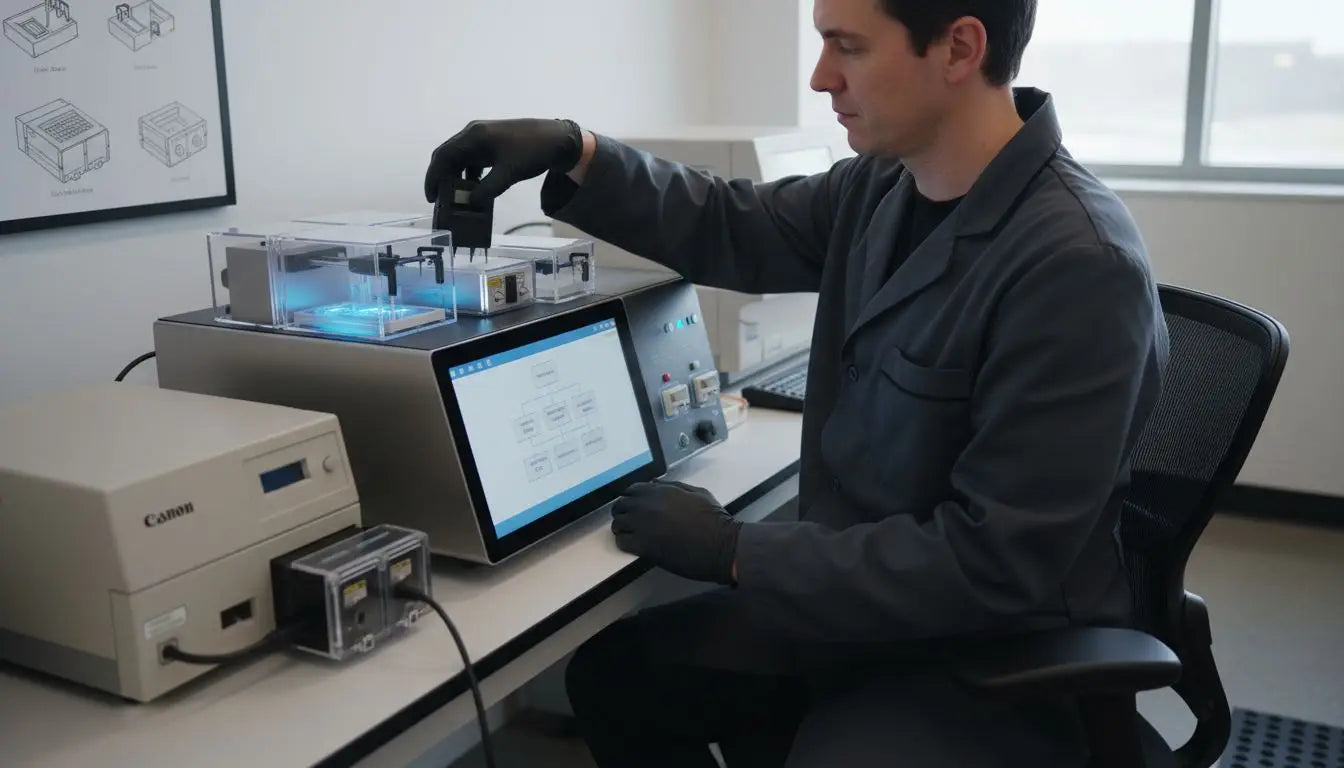
- Cost Effectiveness: Affordable pricing that allows smaller labs and institutions to participate in advanced research
- Scalability: Modular designs that can be adjusted based on specific research requirements
- User Friendliness: Intuitive interfaces and operational protocols that minimize technical barriers
- Technological Adaptability: Compatibility with existing laboratory infrastructures and emerging research methodologies
By prioritizing accessibility, research institutions can break down traditional barriers that have historically limited scientific participation. Affordable lab equipment guide provides deeper insights into how strategic equipment selection can transform research capabilities across different organizational contexts. The goal is not just technological acquisition, but creating an inclusive research ecosystem where innovative potential is not constrained by economic or technological limitations.
Major Types and Applications Across Industries
Accessible research equipment encompasses a diverse range of technological solutions designed to support scientific exploration across multiple industries. Laboratory robotics and advanced simulation technologies represent two critical domains driving innovation and expanding research capabilities for organizations of all sizes.
In pharmaceutical and biotechnology sectors, laboratory robotics have revolutionized research methodologies. These sophisticated systems enable precise manipulation of biological and chemical samples, dramatically accelerating drug discovery processes and reducing human error. Robotic platforms can perform complex tasks like sample preparation, automated testing, and high-throughput screening with unprecedented accuracy and efficiency.
Key types of accessible research equipment include:
- Automated Pipetting Systems: Precise liquid handling for genomic and molecular research
- Robotic Sample Management: High-volume tracking and processing of research materials
- Virtual Reality Simulation Tools: Immersive research environments for complex data visualization
- Modular Microscopy Platforms: Adaptable imaging systems for diverse scientific disciplines
Cross-industry applications demonstrate the transformative potential of accessible research technologies. From healthcare and pharmaceutical development to environmental science and agricultural research, these tools democratize advanced scientific exploration.
Top Lab Equipment for Biotech offers a comprehensive overview of cutting-edge technologies reshaping research landscapes. The ultimate goal remains consistent: providing researchers with powerful, adaptable tools that transcend traditional technological and economic barriers.
Key Features That Enhance Accessibility
Accessible research equipment transcends traditional technological limitations by incorporating adaptive design principles that prioritize user experience and operational flexibility. These key features transform scientific tools from rigid, specialized instruments into dynamic platforms that can be customized to meet diverse research requirements and institutional constraints.
The core philosophy of accessibility centers on empowering researchers by reducing technological barriers. Modular design emerges as a critical feature, allowing equipment to be reconfigured, scaled, or integrated with existing laboratory infrastructure. This approach enables smaller research institutions and independent scientists to leverage advanced technological capabilities without requiring complete system replacements or massive capital investments.
Essential accessibility features include:
- Intuitive User Interfaces: Simple, clear control panels that minimize technical training requirements
- Flexible Configuration Options: Interchangeable components and adaptable settings
- Comprehensive Compatibility: Seamless integration with various software platforms and research protocols
- Remote Monitoring Capabilities: Advanced digital interfaces that allow real-time data tracking and management
- Scalable Performance Metrics: Equipment that can adjust performance levels based on specific research needs
Essentials for Small Labs provides additional insights into how technological adaptability can transform research workflows. By prioritizing these accessibility features, research equipment manufacturers are effectively democratizing scientific exploration, ensuring that innovative potential is not constrained by technological or economic barriers.
Global Impact on Scientific Progress and Collaboration
Accessible research equipment is fundamentally reshaping global scientific collaboration, breaking down traditional barriers that have historically limited technological exchange and research potential across different regions and institutional contexts. By democratizing advanced technological capabilities, these innovative tools are creating unprecedented opportunities for knowledge sharing and collaborative scientific exploration.
The transformative power of accessible research technologies extends far beyond individual laboratory settings. Mobile industrial robotics and advanced remote handling systems are enabling researchers to conduct experiments and gather data in challenging environments previously considered impossible or prohibitively expensive. From ocean exploration to space research, these technologies are expanding the frontiers of scientific investigation, allowing teams from diverse geographical and economic backgrounds to participate in groundbreaking research initiatives.
Key global collaboration strategies enabled by accessible research equipment include:
- Cross-Institutional Research Networks: Seamless integration of research methodologies and data sharing
- Remote Collaborative Platforms: Virtual research environments that transcend physical limitations
- Standardized Technological Protocols: Consistent research methodologies across different institutional contexts
- Open-Source Research Infrastructure: Collaborative development of scientific technologies
- Interdisciplinary Knowledge Exchange: Breaking down traditional academic and research boundaries
Top Lab Equipment for Biotech highlights how strategic technological investments can accelerate global scientific progress. By reducing economic and technological barriers, accessible research equipment is not just a technological solution, but a powerful mechanism for democratizing scientific knowledge and fostering international collaborative research ecosystems.
Cost Efficiency and Return on Investment Compared
Cost efficiency represents a critical consideration for research institutions when evaluating technological investments, particularly in accessible research equipment. Modern scientific technologies are increasingly designed to provide maximum functional value while minimizing long-term financial burdens, challenging traditional assumptions about expensive laboratory infrastructure.
Traditionally, high-end research equipment represented significant capital expenditures that only well-funded institutions could afford. However, contemporary accessible research technologies have dramatically transformed this landscape by offering modular, scalable solutions that provide comparable performance at substantially reduced costs. This shift enables smaller research groups, educational institutions, and independent laboratories to access sophisticated scientific tools without compromising research quality or technological capabilities.
Key financial considerations for research equipment investments include:
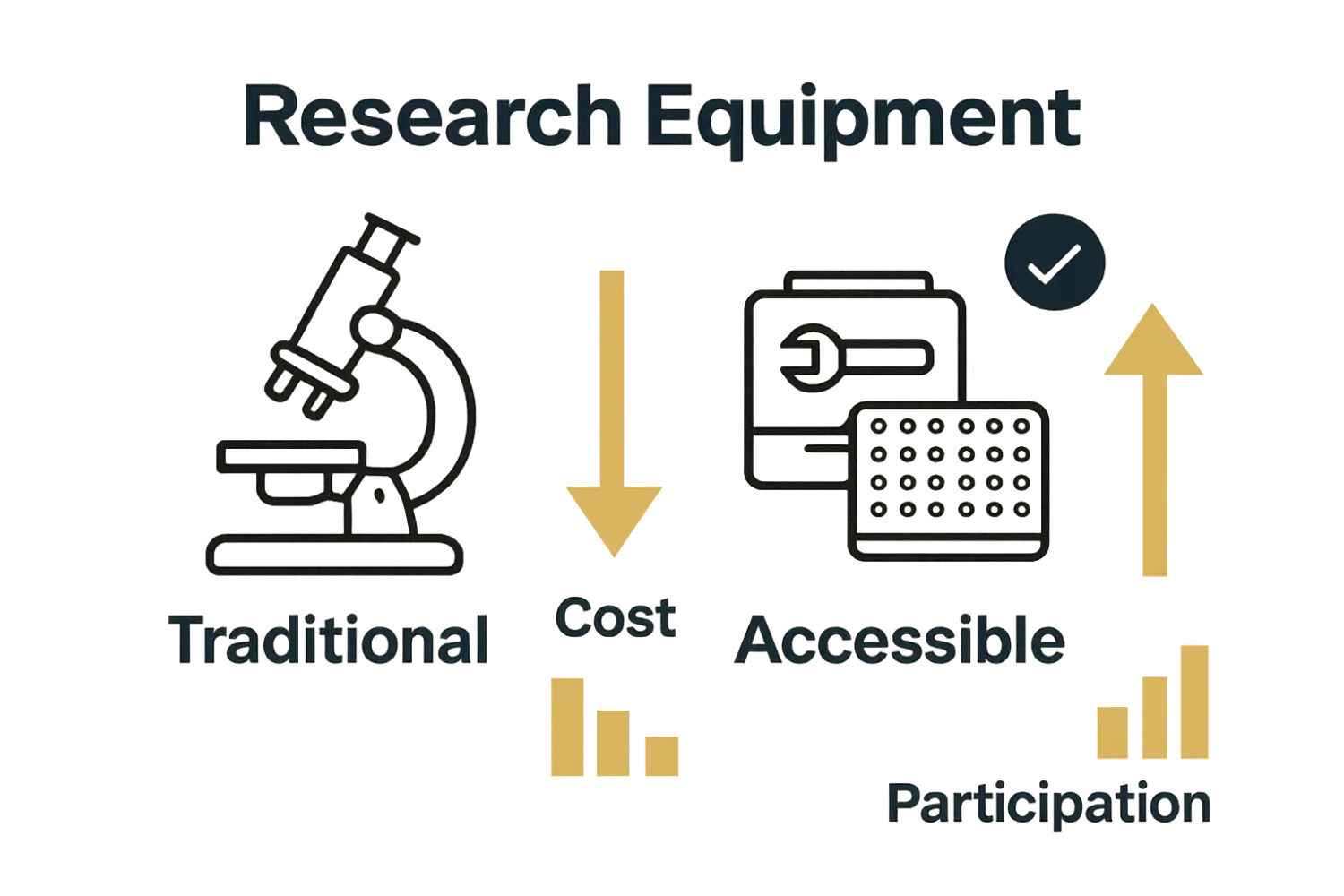
- Initial Purchase Cost: Upfront pricing compared to long-term utility
- Operational Expenses: Maintenance, training, and integration costs
- Productivity Enhancements: Potential research acceleration and efficiency gains
- Technological Scalability: Ability to upgrade without complete system replacement
- Interdisciplinary Adaptability: Versatility across different research domains
Affordable Lab Equipment Guide offers comprehensive insights into strategic technology investments. By prioritizing cost-effective, adaptable research equipment, institutions can optimize their financial resources while maintaining cutting-edge scientific capabilities, effectively democratizing advanced research technologies across diverse organizational contexts.
Unlock the Power of Accessible Research Equipment Today
Are you ready to overcome the challenges of high costs and technological barriers that limit your research potential? The article highlights the critical need for affordable, scalable, and user-friendly research equipment that empowers labs of all sizes to innovate without compromise. At Shop Genomics, we understand the impact of these pain points and offer solutions designed to support your goals for cost efficiency and cutting-edge performance.

Explore our range of accessible research tools engineered to integrate seamlessly with your existing workflows. Visit Shop Genomics to discover how investing in adaptable technologies can accelerate your scientific breakthroughs. Don’t wait to transform your lab with equipment that breaks down financial and technical barriers. Get started now and join the movement toward truly democratized genomic science with our expert-backed solutions.
Frequently Asked Questions
What are the key benefits of using accessible research equipment?
Accessible research equipment provides cost-effective solutions, scalable designs, user-friendly interfaces, and technological adaptability, enabling broader participation in scientific research.
How does accessible research equipment impact collaborative scientific research?
Accessible research equipment fosters global collaboration by democratizing advanced technologies, allowing diverse institutions and researchers to share methodologies and data more effectively.
What types of research can benefit from accessible research technologies?
Accessible research equipment is applicable across various fields, including pharmaceutical development, environmental science, and agricultural research, making advanced scientific exploration more inclusive.
What are the essential features of accessible research equipment?
Key features of accessible research equipment include intuitive user interfaces, flexible configuration options, comprehensive compatibility with software, remote monitoring capabilities, and scalable performance metrics.
Recommended
- Why Use Affordable Lab Equipment: Complete Guide – Shop Genomics
- 7 Essentials for Small Labs: Tools and Tips for Success – Shop Genomics
- Top Lab Equipment for Biotech – Expert Comparison 2025 – Shop Genomics
- Lab Consumables Explained: Types, Uses, and Procurement – Shop Genomics
- Technology for Special Education: Complete Guide - Projector Display
- What Is Hearing Enhancement Technology? Complete Guide – Audora