

More than eighty percent of cutting-edge discoveries in genetics now rely on powerful single cell analysis techniques. As American scientists race to uncover new frontiers in disease research and cellular biology, this innovative approach stands at the heart of modern breakthroughs. Understanding the fundamentals of single cell analysis, from key technologies to core workflows, helps unlock the mysteries of how individual cells function and interact, driving major advances across medicine, agriculture, and life sciences.
Table of Contents
- Defining Single Cell Analysis And Key Concepts
- Main Types And Technologies Explained
- Step-By-Step Workflow And Core Processes
- Major Applications In Life Sciences
- Challenges, Costs, And Common Pitfalls
Key Takeaways
| Point | Details |
|---|---|
| Single Cell Analysis Revolutionizes Research | This technique allows scientists to study individual cells, revealing insights about cellular behavior and interactions previously obscured by bulk population studies. |
| Diverse Technologies Enhance Analysis | Key technologies like RNA sequencing and single cell proteomics provide comprehensive profiling of cells, essential for uncovering molecular complexities. |
| Applications Span Multiple Fields | From immuno-oncology to agriculture, single cell analysis offers critical insights across various disciplines, enhancing our understanding of biological systems. |
| Challenges Require Strategic Solutions | Addressing technical limitations and high costs is crucial, necessitating a combination of advanced computational tools and interdisciplinary knowledge for effective research outcomes. |
Defining Single Cell Analysis and Key Concepts
Single cell analysis represents a groundbreaking scientific approach that enables researchers to investigate biological systems at an unprecedented level of granularity. Unlike traditional population-level studies that average cellular characteristics, this technique allows scientists to examine individual cells with remarkable precision, revealing intricate details about cellular behavior, diversity, and interactions.
At its core, single cell analysis involves comprehensive molecular profiling of individual cells across multiple dimensions. Researchers can simultaneously explore genomics, transcriptomics, proteomics, and metabolomics at the single cell level. This multifaceted approach uncovers critical insights that were previously obscured by bulk population measurements. By isolating and analyzing individual cellular units, scientists can detect rare cell populations, understand cellular heterogeneity, and map molecular mechanisms with extraordinary resolution.
Key methodological components of single cell analysis include specialized techniques such as:
-
Isolation Methods
- Microfluidic cell sorting
- Laser capture microdissection
- Flow cytometry techniques
-
Molecular Profiling Approaches
- Single cell RNA sequencing
- Genomic DNA amplification
- Protein expression mapping
Researchers leverage these sophisticated techniques to explore complex biological systems across numerous domains. From understanding cancer cell evolution to mapping neural circuit development, single cell analysis provides unprecedented insights into cellular complexity. By revealing molecular variations between seemingly identical cells, this approach transforms our understanding of biological processes at their most fundamental level.
The transformative potential of single cell analysis extends across multiple scientific disciplines. In biomedical research, it enables precise characterization of cellular states during disease progression. In developmental biology, researchers can track intricate cellular differentiation pathways. Agricultural scientists use these techniques to understand plant and microbial cell responses to environmental changes. By breaking down biological systems into individual cellular components, researchers unlock a new dimension of scientific discovery that was previously unimaginable.
Main Types and Technologies Explained
Single cell sequencing technologies represent a diverse array of cutting-edge molecular analysis approaches designed to unravel the intricate complexities of individual cellular systems. Researchers have developed multiple sophisticated platforms that enable comprehensive molecular profiling, each with unique strengths and specialized applications across biological research domains.
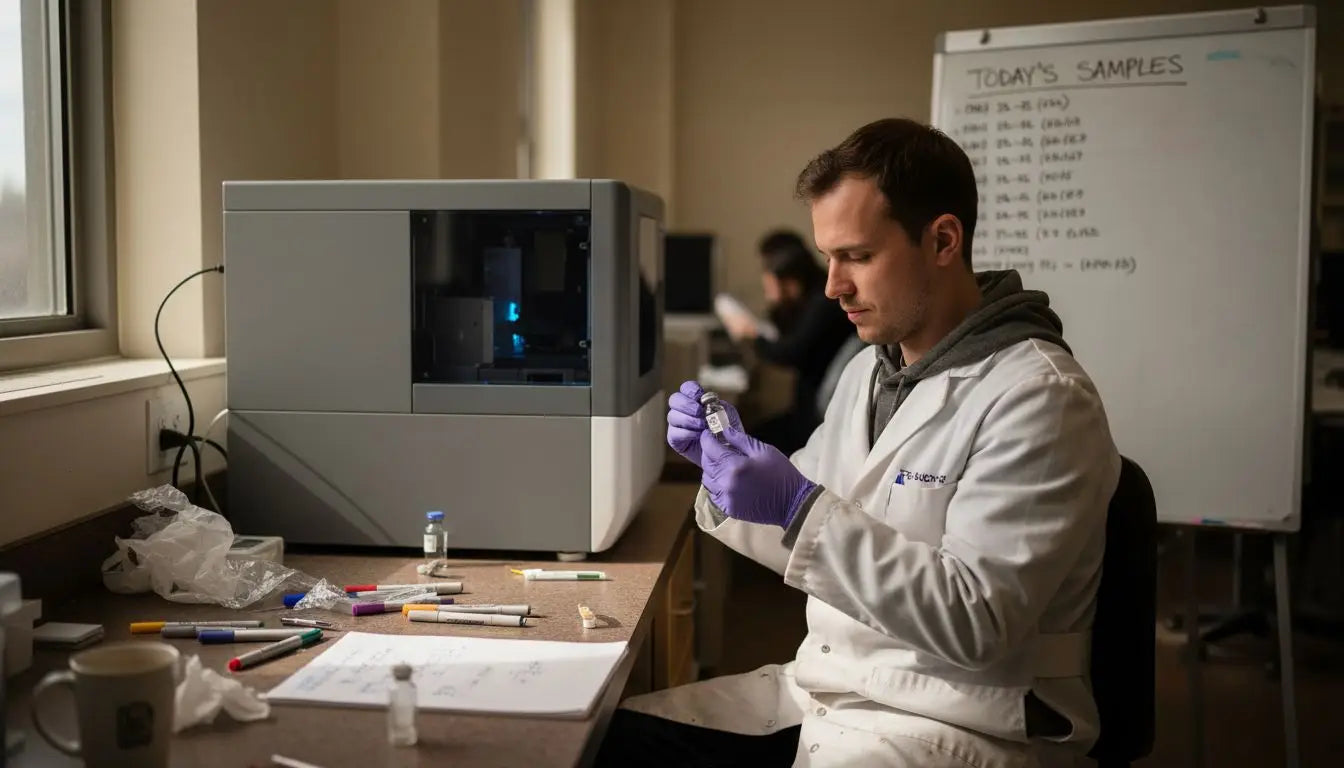
RNA sequencing stands as a cornerstone technology in single cell analysis, offering unprecedented insights into cellular gene expression. Current technologies like 10X Chromium and BD Rhapsody enable researchers to capture whole transcriptome profiles from individual cells with remarkable precision. These platforms differ significantly in their RNA-to-library conversion efficiency, sensitivity to low-mRNA content cells, and overall analytical performance.
Key single cell analysis technologies can be categorized into several primary groups:
-
Genomic Profiling Technologies
- Single cell DNA sequencing
- Whole genome amplification techniques
- Chromosomal mutation mapping
-
Transcriptomic Approaches
- Single cell RNA sequencing (scRNA-seq)
- Targeted gene expression analysis
- Full-length transcript profiling
-
Protein-based Methods
- Mass cytometry
- Immunofluorescence imaging
- Single cell proteomics
The selection of an appropriate single cell technology depends on multiple critical factors. Researchers must consider experimental objectives, sample complexity, desired molecular resolution, and budgetary constraints. Performance metrics like protocol duration, RNA capture efficiency, and cost per cell play crucial roles in technology selection. Commercial platforms now offer increasingly sophisticated solutions, with comparative studies systematically evaluating nine prominent single cell RNA sequencing kits across different technological platforms.
Advances in single cell analysis technologies continue to push scientific boundaries. Emerging techniques now integrate multiple molecular dimensions simultaneously, allowing researchers to profile genomic, transcriptomic, and proteomic characteristics from the same individual cell. These multiplex approaches promise to revolutionize our understanding of cellular heterogeneity, developmental processes, and disease mechanisms by providing unprecedented molecular insights at the single cell level.
Step-By-Step Workflow and Core Processes
Single cell analysis workflows represent intricate scientific processes that transform complex biological samples into meaningful molecular insights. Researchers must navigate a sophisticated sequence of steps, each requiring precision, technical expertise, and careful methodological consideration to successfully profile individual cellular characteristics.
The comprehensive workflow typically begins with sample preparation, a critical initial stage that determines the quality and reliability of downstream analyses. This involves carefully selecting and isolating target cells, ensuring minimal sample manipulation while maintaining cellular integrity. Microfluidic technologies have revolutionized this process, enabling researchers to efficiently capture, sort, and preserve individual cells with unprecedented accuracy.
Key stages in the single cell analysis workflow include:
-
Sample Preparation
- Cell isolation techniques
- Viability assessment
- Minimizing cellular stress
-
Molecular Processing
- Cell lysis
- Nucleic acid extraction
- RNA/DNA amplification
-
Sequencing and Analysis
- Library construction
- High-throughput sequencing
- Computational data processing
The library preparation stage represents a pivotal moment in single cell analysis. Researchers carefully transform cellular genetic material into sequencing-compatible formats, using specialized protocols that preserve molecular complexity. Laboratory workflow optimization techniques play a crucial role in standardizing these delicate procedures, ensuring consistent and reproducible results across different experimental conditions.
Advanced computational approaches have become integral to single cell analysis workflows. Sophisticated bioinformatics algorithms process massive datasets, transforming raw sequencing information into meaningful biological insights. Researchers must integrate complex computational techniques with molecular biology expertise, creating a comprehensive approach that translates cellular molecular profiles into actionable scientific understanding. The iterative nature of these workflows allows continuous refinement, pushing the boundaries of our comprehension of cellular complexity and molecular interactions.
Major Applications in Life Sciences
Single cell analysis has emerged as a transformative technology with profound implications across multiple life science domains, revolutionizing our understanding of complex biological systems at an unprecedented molecular resolution. By enabling researchers to examine individual cellular characteristics with extraordinary precision, this approach has opened new frontiers in scientific discovery and medical research.
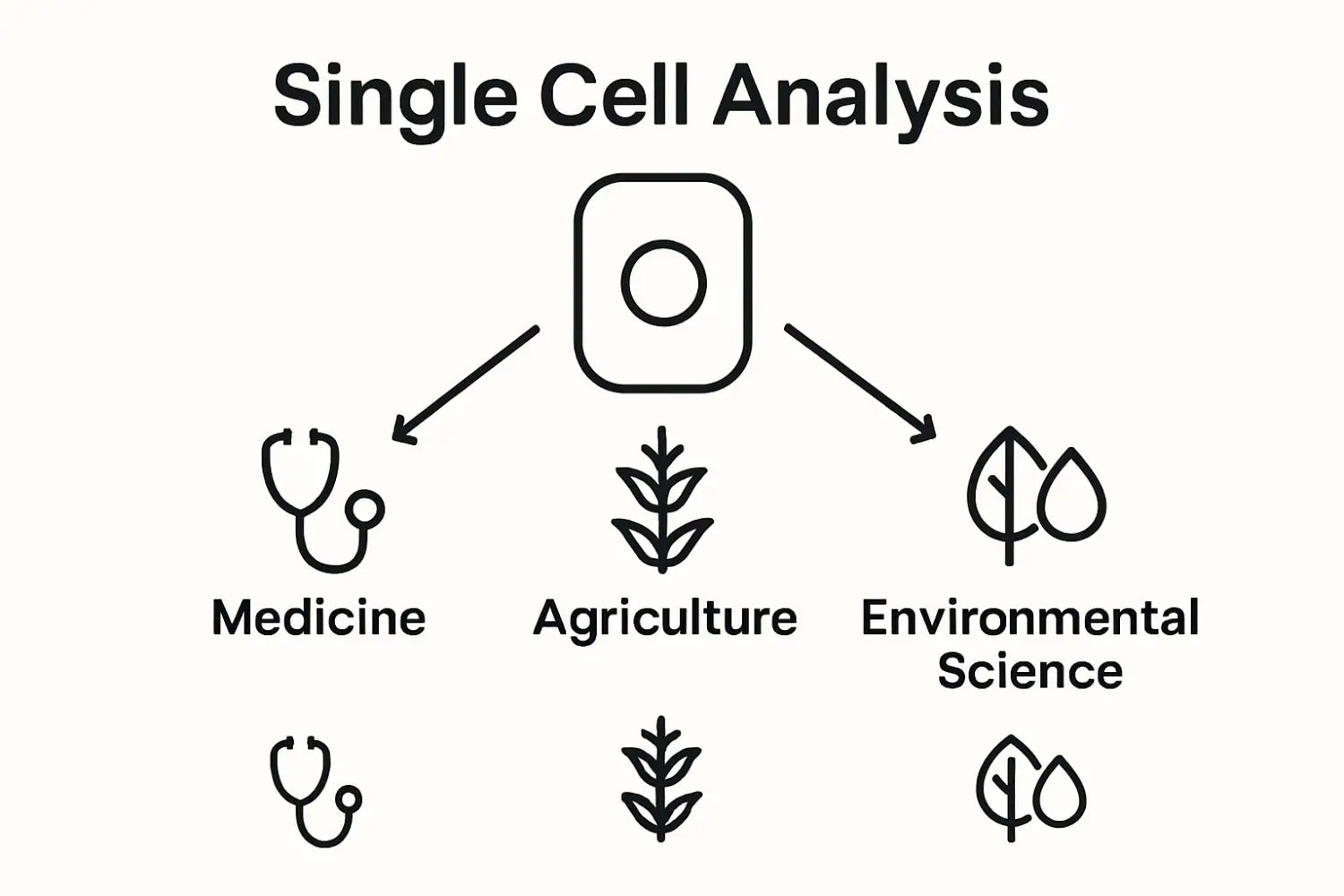
In immuno-oncology, single cell analysis has become a game-changing methodology for understanding tumor microenvironments and immune cell interactions. Researchers can now comprehensively characterize cellular heterogeneity, predict patient response rates, and monitor potential therapeutic resistance mechanisms. This granular approach allows for more personalized treatment strategies, potentially improving patient outcomes by identifying subtle cellular variations that traditional bulk analysis techniques might overlook.
Key applications of single cell analysis span multiple scientific disciplines:
-
Medical Research
- Cancer progression mapping
- Immune system response tracking
- Personalized medicine development
-
Developmental Biology
- Stem cell differentiation tracking
- Embryonic development mechanisms
- Cellular lineage tracing
-
Neuroscience
- Neural circuit mapping
- Neurological disease mechanism identification
- Brain cell diversity exploration
High throughput screening techniques have significantly enhanced the scalability and precision of single cell analysis, enabling researchers to process larger cellular populations with unprecedented efficiency. These advanced methodologies are particularly crucial in drug discovery, where understanding cellular responses at the individual cell level can dramatically accelerate therapeutic development.
Beyond medical applications, single cell analysis is transforming our understanding in fields like agriculture, environmental science, and microbiology. Researchers can now investigate complex biological interactions at molecular scales, uncovering intricate mechanisms of cellular adaptation, stress response, and genetic variation. This technology provides unprecedented insights into how individual cells function, interact, and respond to environmental challenges, ultimately expanding our comprehension of life’s fundamental processes across diverse biological systems.
Challenges, Costs, and Common Pitfalls
Single cell analysis presents researchers with a complex landscape of technical challenges that demand sophisticated scientific expertise and strategic problem-solving. Despite its transformative potential, the methodology involves intricate technical barriers that can significantly impact research outcomes, requiring careful navigation and advanced computational approaches.
The primary challenges in single cell analysis center around data complexity and computational limitations. High-dimensional datasets generate massive volumes of molecular information, creating substantial computational and analytical hurdles. Researchers must contend with sparse, heterogeneous data that requires advanced machine learning techniques to effectively process and interpret. The intrinsic biological variability between individual cells compounds these challenges, necessitating robust statistical frameworks to distinguish meaningful molecular signals from background noise.
Key challenges in single cell analysis include:
-
Technical Limitations
- Limited sample preservation
- Cellular RNA capture efficiency
- Amplification bias
-
Computational Challenges
- High-dimensional data processing
- Algorithmic complexity
- Statistical noise reduction
-
Financial Constraints
- Expensive sequencing technologies
- Advanced computational infrastructure
- Specialized research personnel
Genomic data interpretation techniques play a crucial role in addressing these computational challenges, enabling researchers to develop more sophisticated analytical strategies. The substantial financial investment required for single cell analysis technologies represents another significant barrier, with sophisticated equipment and computational resources often costing hundreds of thousands of dollars.
Deep learning approaches have emerged as a promising solution to many computational challenges in single cell analysis. These advanced machine learning techniques offer superior performance in handling high-dimensional, sparse datasets, providing more nuanced insights than traditional statistical methods. However, researchers must remain vigilant about potential algorithmic biases and carefully validate computational results against experimental observations. The complexity of single cell analysis demands an interdisciplinary approach, combining molecular biology expertise with advanced computational skills to unlock the full potential of this revolutionary scientific methodology.
Empower Your Single Cell Analysis with Advanced, Affordable Solutions
Single cell analysis unlocks incredible insights into cellular complexity but brings challenges like high costs, complex workflows, and computational hurdles. Scientists need reliable, cutting-edge equipment that delivers precision while staying within budget. At Shop Genomics, we understand these critical pain points—from RNA capture efficiency to data scalability—and are dedicated to equipping researchers with accessible technologies that streamline every step from sample preparation to molecular processing.

Experience the power of democratized genomic science today. Visit Shop Genomics to explore instruments designed for efficient single cell workflows and advanced data interpretation. Don’t let financial or technical barriers hold back your discovery. Take the next step towards accelerating your research by turning sophisticated single cell analysis techniques into achievable, everyday practice.
Frequently Asked Questions
What is single cell analysis?
Single cell analysis is a scientific approach that allows researchers to study individual cells in detail, uncovering differences in cellular behavior, diversity, and interactions that are often masked in bulk population studies.
What are the main types of technologies used in single cell analysis?
Key technologies in single cell analysis include RNA sequencing, genomic profiling, and protein-based methods. Techniques like single cell RNA sequencing (scRNA-seq), single cell DNA sequencing, and mass cytometry are pivotal for exploring cellular characteristics.
What are the challenges associated with single cell analysis?
Challenges in single cell analysis include technical limitations like sample preservation and RNA capture efficiency, computational hurdles due to high-dimensional datasets, and financial constraints from the costs of advanced technologies and personnel.
How is single cell analysis applied in medical research?
In medical research, single cell analysis is used to track cancer progression, understand immune responses, and develop personalized medicine strategies by identifying cellular heterogeneity and mechanisms of drug resistance.